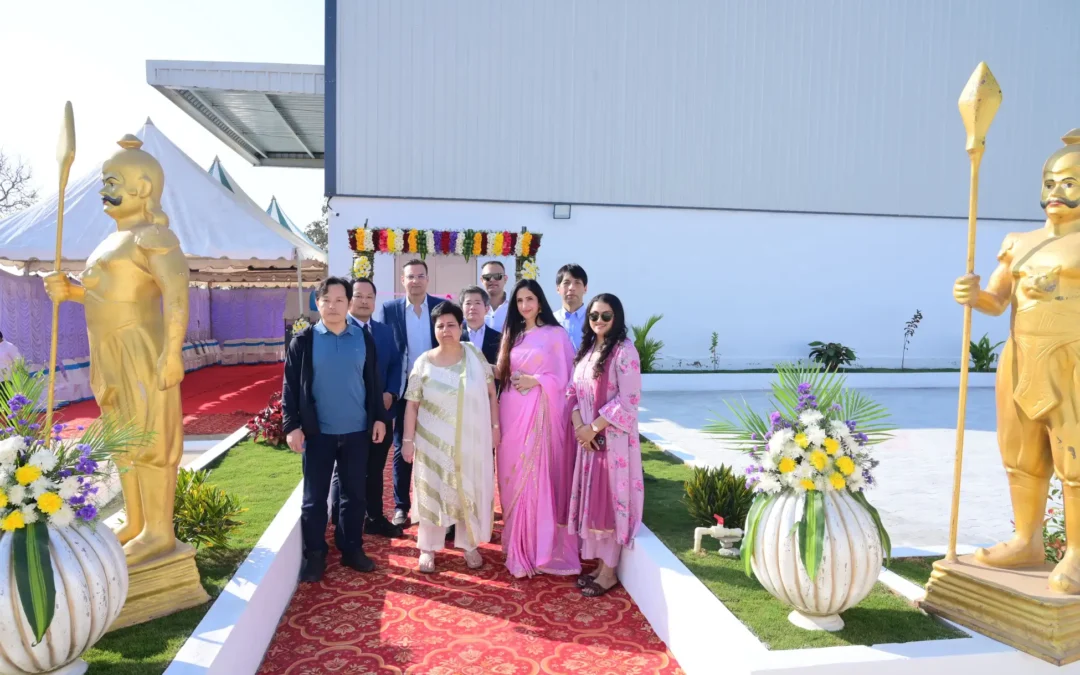
In response to the growing global challenge of rising fish meal prices—often referred to as the “fish meal shock”—Bioscience Inc., a Japan-based leader in veterinary medicines and feed additives, has partnered with Seidecosaa Biotech Private Limited (SB) in Bangalore, India. This strategic collaboration marks a significant step toward building a more sustainable and resilient aquaculture industry.
Addressing the Fish Meal Crisis
Aquaculture producers worldwide are facing increasing pressure due to the rising cost and limited availability of fish meal, traditionally made from small fish such as sardines. Climate change, stricter fishing regulations, and currency fluctuations have further strained supply chains. As a result, identifying alternative, sustainable protein sources has become a top priority for the global fisheries sector.
Unlocking the Potential of Silkworm Pupae
This joint Japan–India initiative focuses on repurposing silkworm pupae—an underutilized byproduct of the silk industry—into high-quality aquaculture feed.
Silkworm pupae offer several key advantages:
- Sustainability: Raised on pesticide-free mulberry leaves, silkworms represent an environmentally friendly resource.
- High Nutritional Value: Rich in protein and beneficial lipids such as omega-3, 6, and 9 fatty acids, they support healthy fish growth.
- Abundant Supply: India, one of the world’s largest silk producers, generates approximately 120,000 tons of silkworm pupae annually, much of which has historically gone to waste.
A Decade-Long Partnership

Seidecosaa Biotech brings nearly 30 years of experience within India’s silk ecosystem. Its proprietary solvent-free extraction technology enables the production of high-quality protein powders and oils without chemical residues—an important advancement over conventional methods.
Following a decade of collaboration, Bioscience Inc. has strengthened its commitment by acquiring over 25% equity in SB and appointing an external director. Together, the companies aim to establish a world-class insect protein supply chain by combining Japan’s rigorous quality standards with India’s extensive raw material network.
Driving Social and Environmental Impact
This initiative reflects a strong commitment to circular economy principles—transforming waste into valuable resources.
Key impacts include:
- Rural Empowerment: Local communities in India receive technical training in drying and processing techniques, with guaranteed purchase of silkworm pupae to increase farmer income and create employment opportunities.
- Environmental Benefits: Compared to traditional fish meal production, this approach significantly reduces water and land use while helping conserve marine ecosystems.
Scaling for Global Growth
A new production facility in Bangalore began operations in January 2026. From April onward, the plant is expected to produce 150 tons per month (1,800 tons annually).
The resulting protein powders and oils will serve not only India’s freshwater aquaculture sector but also international markets, including salmon farming industries in Europe and South America.
Looking ahead, the partnership aims to achieve annual revenues exceeding JPY 700 million within five years, with plans to pursue an IPO on India’s SME market as part of its long-term growth strategy.
About Seidecosaa Biotech
Seidecosaa Biotech Private Limited is an innovative biotechnology company based in Bangalore, India. The company specializes in converting silkworm pupae—an underutilized byproduct—into high-quality protein and oil for aquaculture feed using advanced, eco-friendly processing technologies.
About Bioscience Inc.
Founded in 1983 and headquartered in Tokushima, Japan, Bioscience Inc. is dedicated to supporting sustainable fisheries and livestock industries through the research, development, and production of veterinary medicines and feed additives. The company’s mission is to help address global food production challenges through science and innovation.
This collaboration represents a powerful example of how cross-border partnerships and innovative thinking can turn waste into opportunity—paving the way for a more sustainable future in global aquaculture.